
Choosing contraception means choosing a method you feel comfortable with, that fits into your life and matches your plans. There is no ideal method for everyone: the right contraception is the one that suits you at a given time in your life, and it may change over time.
This article presents the main methods, their benefits and limits, and the questions that help you make an informed choice with your gynecologist.
Questions to ask before choosing
Before looking at methods, a few simple questions guide the choice:
- Do you want a pregnancy soon, in a few years, or not at all?
- Do you prefer a daily method or one you can forget about?
- Do you have heavy or painful periods that contraception could improve?
- Do you have a medical history such as migraines, high blood pressure, blood clots, smoking or liver disease?
- Are you breastfeeding?
- How important is your husband’s opinion in this decision?
Your answers, together with your examination and history, allow the doctor to suggest suitable options and rule out those that would be unsafe for you.
Hormonal contraception
The pill
The pill is taken every day. There are two main families: combined pills, which contain two hormones, and progestogen only pills. Taken correctly, it is effective and, depending on the type, can reduce period pain and heaviness.
Its main limit is forgetting a pill. Combined pills are not suitable for every woman: they are not advised with certain histories such as a blood clot, migraine with aura, poorly controlled high blood pressure, or in smokers over a certain age. Only a doctor can assess these contraindications.
The implant
A small rod placed under the skin of the arm, the implant releases a progestogen for several years. It is very effective and requires no daily action. It can change bleeding patterns, which sometimes become irregular or stop.
Other forms
There are also a vaginal ring, a patch and injections. They work on the same hormonal principles with a different schedule of use.
The IUD or coil
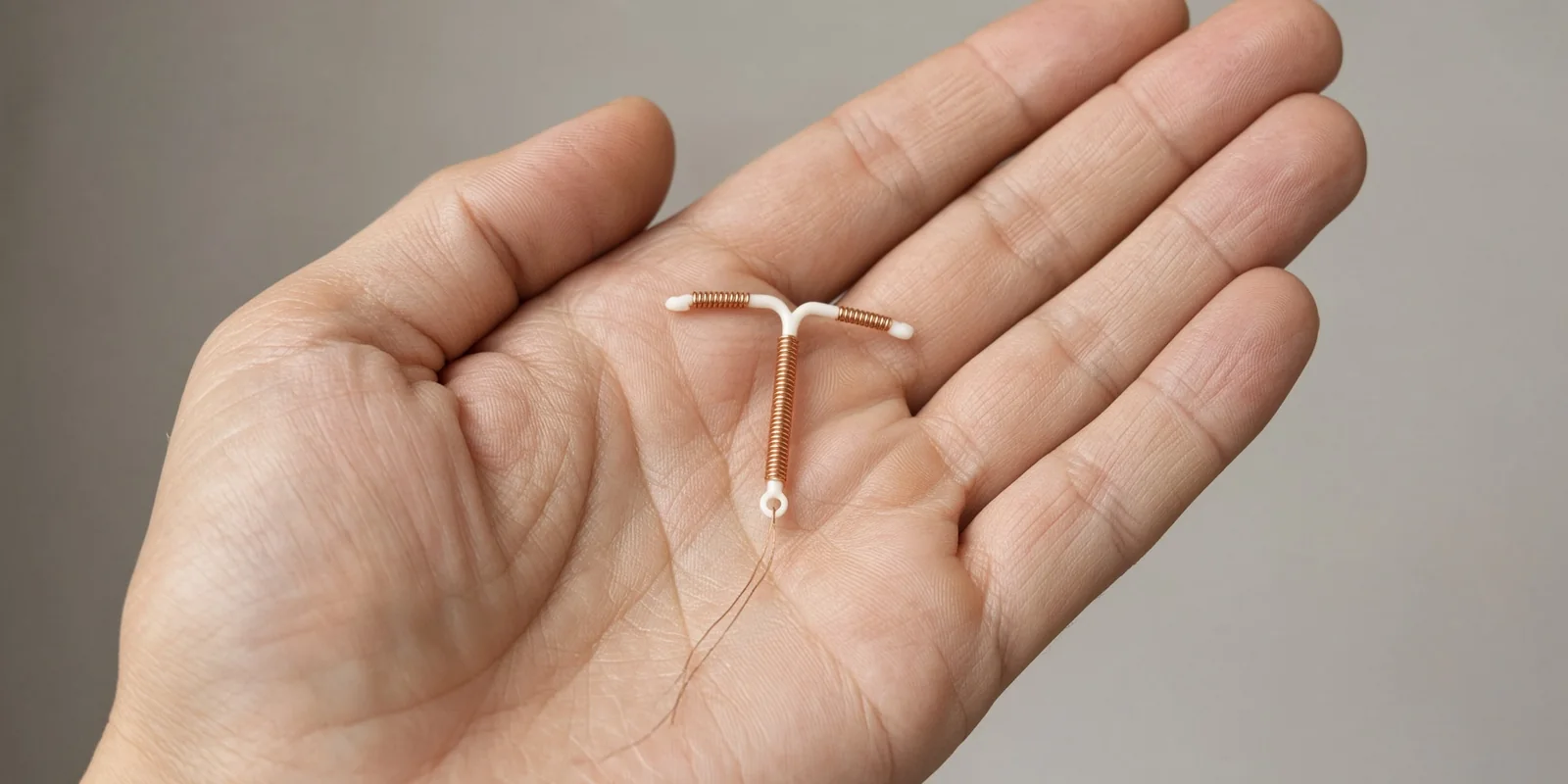
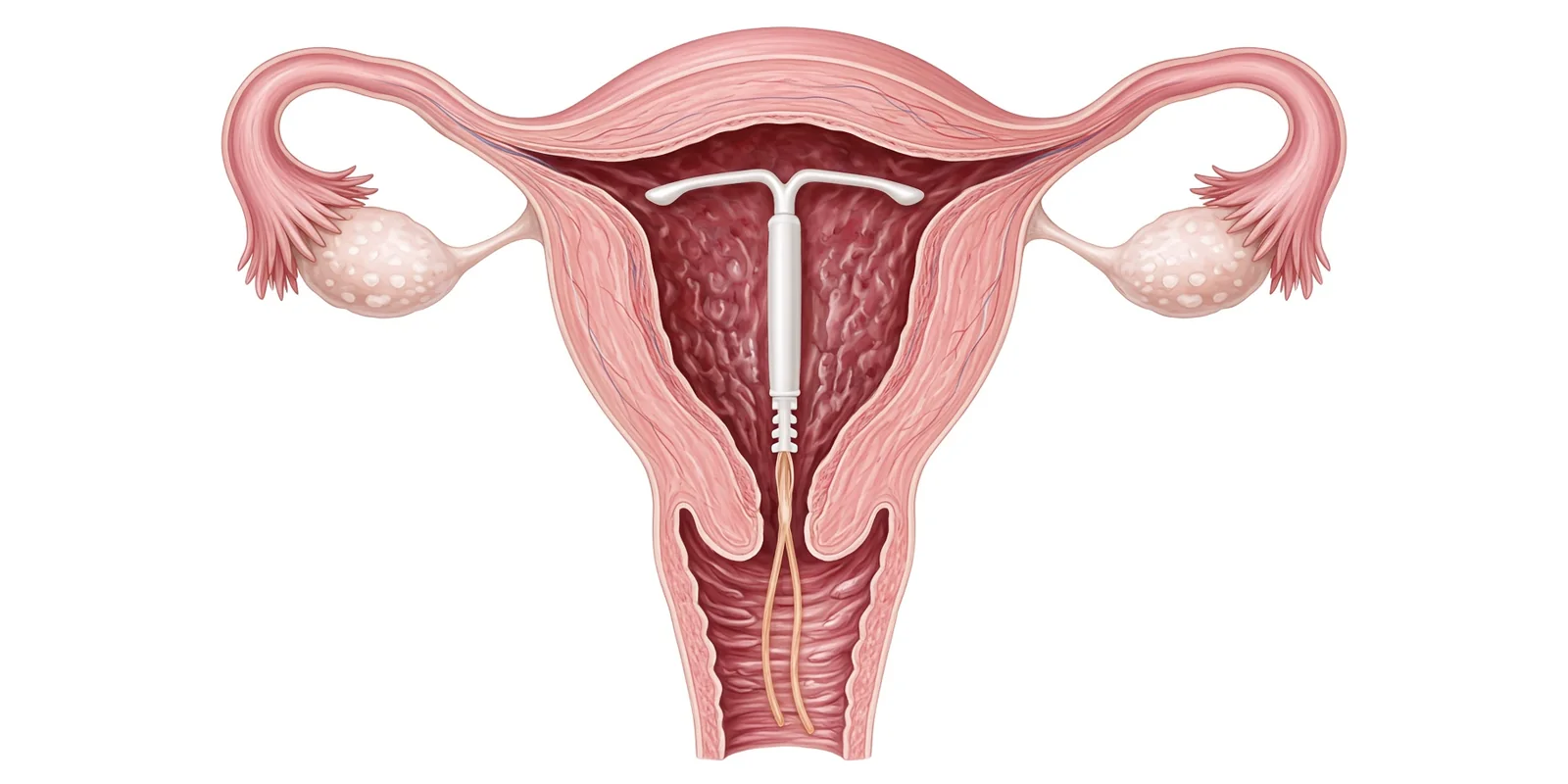
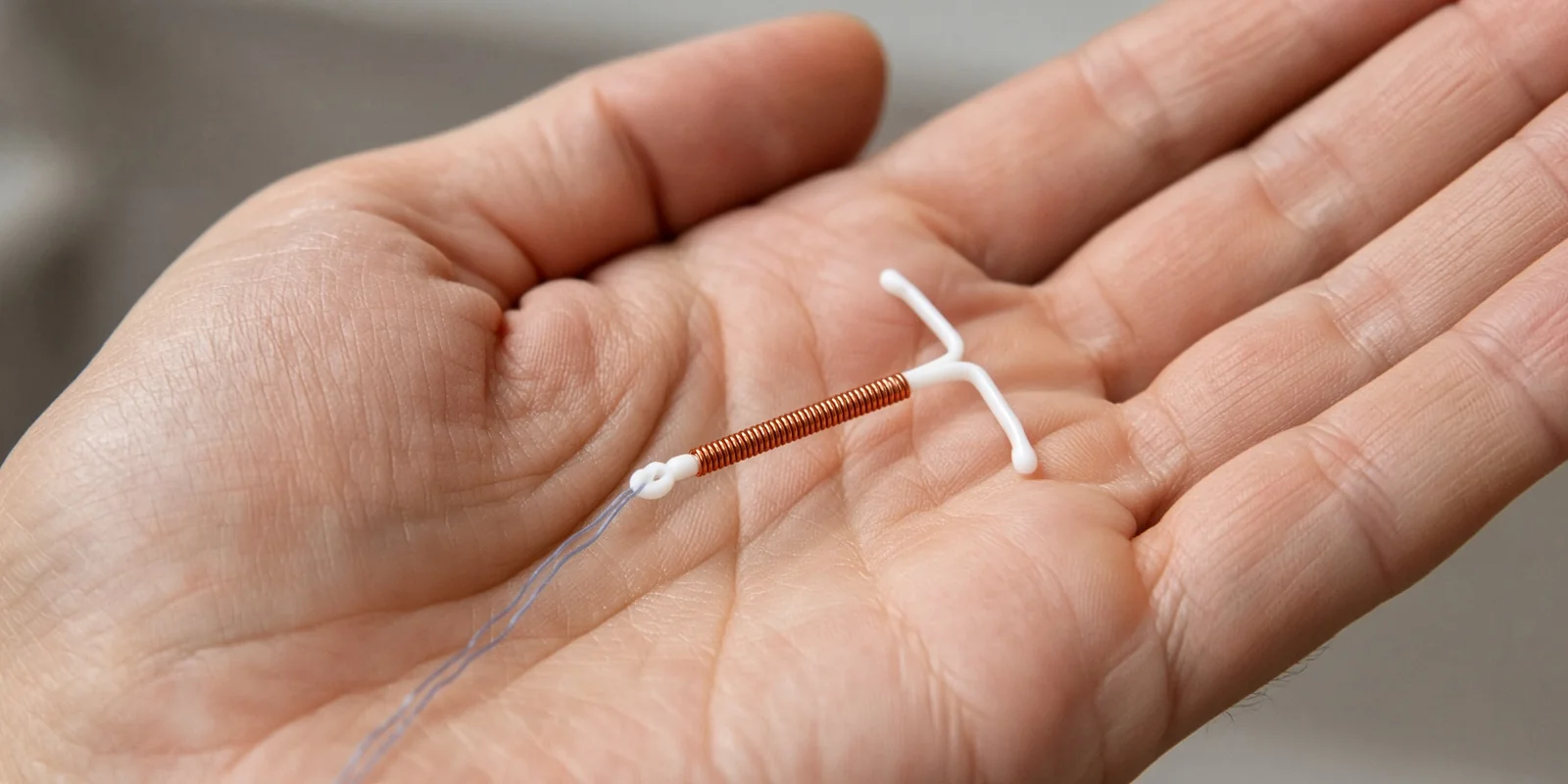
The intrauterine device, or coil, is placed in the uterus during a consultation. It works for several years and can be removed at any time if you want a pregnancy.
- The copper IUD contains no hormones. It may make periods a little heavier at first.
- The hormonal IUD releases a progestogen locally. It often reduces the heaviness and pain of periods.
The IUD can also suit women who have not had children, after an examination and a discussion with the doctor.
Hormone free methods
The condom is the only method that also protects against sexually transmitted infections. Its effectiveness depends on correct use every time.
Natural methods, based on observing the cycle, require good knowledge of your body and regular cycles. They are less reliable, especially when cycles vary.
Breastfeeding can delay the return of ovulation, but it only protects reliably under strict conditions. Talk to your doctor about it after childbirth.
Contraception after childbirth
After a birth, ovulation can return even before the first period. It is therefore useful to think about contraception at the end of pregnancy and to discuss it at the postnatal check-up.
The choice depends on breastfeeding. Progestogen only methods, the implant and the IUD are generally compatible with breastfeeding, while combined pills are usually avoided at first. The IUD is generally fitted a few weeks after delivery, once the uterus has returned to its usual size.
Spacing pregnancies gives the body time to recover, rebuild iron stores and prepare for a new pregnancy in good conditions. Your doctor can help you plan this interval according to your situation.
Emergency contraception
After unprotected sex or a missed pill, emergency contraception can be taken. It works better the earlier it is taken. A copper IUD fitted quickly is another option. It is not a regular method and should lead you to review your contraception.
Follow-up and stopping contraception
Contraception is chosen, but it is also reviewed: after a pregnancy, with age, in case of side effects or a new health problem. Regular visits allow your blood pressure to be checked, cervical screening to be done and the method to be adjusted.
When you want a pregnancy, fertility usually returns quickly after stopping the majority of methods. It is also a good time for a pre-conception visit to review your health and start folic acid.
Choosing contraception with a gynecologist in Fes
Are you hesitating between several methods, is yours no longer right for you, or do you have questions about side effects? A dedicated consultation helps you make an informed choice, without judgement. If it is your first appointment, our article on the first gynecology consultation explains how it goes.
At Boudra Fertility Center, an IVF center in Fes, Dr Najib Boudra, a gynecologist with more than 30 years of experience, advises you in a gynecology consultation and fits and follows up IUDs and implants. Book an appointment on 05 35 93 08 18.
Book an appointment in Fes
A question, a first appointment? The Boudra Fertility Center team is here to help.
Boudra Fertility Center, 7 Rue Abdelkrim El Khattabi, 30000 Fes, Morocco
Frequently asked questions
What is the ideal contraception?
There is no single answer. The right method depends on your health, preferences and plans, and is chosen with your doctor.
Does the pill cause infertility?
No. Fertility usually returns quickly after stopping the pill.
Can an IUD be fitted if I have never had children?
Yes, it is possible after an examination and a discussion with your gynecologist.
What should I do if I forget a pill?
Follow the leaflet for your pill and, after unprotected sex, quickly ask for advice about emergency contraception.
This article is for information only and does not replace a consultation. For any question about your situation, talk to your doctor.