

By Dr Najib Boudra, obstetrician gynecologist. Updated on 9 November 2026.
It is a question many women do not dare to ask, even their doctor: “Is my discharge normal?” Yet vaginal discharge is an excellent barometer of intimate health. It changes through the cycle, during pregnancy and with age. Very often, it is completely normal.
Sometimes, an unusual colour, a smell or itching signals an infection that needs treatment. Dr Najib Boudra helps you tell the difference and explains when a gynecology consultation in Fes is needed.
Unsure about your discharge?
A consultation and, if needed, a swab tell you exactly what is going on. Call us for an appointment.
What is vaginal discharge for?
Discharge is not a sign of poor hygiene. It is produced by the cervix and the vaginal walls, and it protects: it cleans, keeps tissues moist and maintains a slightly acidic environment that limits the growth of germs.
This environment depends on a delicate balance, the vaginal flora, made up largely of helpful bacteria called lactobacilli. As long as that balance holds, discharge stays discreet and has no strong smell.
Normal discharge that changes through the cycle
The NHS points out that the amount and appearance of discharge vary from one woman to another and from one week to the next. Here is what is often seen:
- After your period: little discharge, rather dry.
- Before ovulation: more discharge, clear and stretchy, like raw egg white.
- After ovulation: thicker, whitish or creamy discharge.
- During pregnancy: often more discharge, clear or milky.
The pill, breastfeeding, menopause and sexual arousal also change discharge. These variations need no treatment. To understand your cycle better, observe your discharge for two or three months: you will learn what is usual for you.
Symptoms keep coming back?
Rather than trying one treatment after another, review the situation with Dr Najib Boudra.
Signs that suggest an infection
What should catch your attention is a change from your usual discharge, especially when other symptoms come with it.
Thick discharge, like cottage cheese, with itching
This is the typical picture of vaginal thrush, caused by a yeast. It often brings burning, redness and intense itching. Our article on vaginal yeast infections covers treatment and prevention.
Greyish discharge with a fishy smell
This smell, often stronger after sex, suggests bacterial vaginosis. It is not a sexually transmitted infection but an imbalance of the flora. It is treated with prescribed antibiotics.
Yellow, green or frothy discharge
It may signal a sexually transmitted infection such as trichomoniasis. Other infections, such as chlamydia or gonorrhoea, often go unnoticed or cause only slight discharge. The World Health Organization stresses that many sexually transmitted infections cause no symptoms at all.
When to see a doctor promptly
Book an appointment quickly if your discharge comes with:
- pain in the lower abdomen or during sex;
- fever;
- bleeding between periods;
- burning when you pass urine;
- symptoms that come back after treatment.

During pregnancy, any change in discharge should be reported, especially a continuous leak of clear fluid. Pelvic pain with fever may reveal an infection spreading to the uterus and tubes: it must be treated quickly, as it can affect fertility.
What happens at the consultation
The doctor asks about your symptoms, how long they have lasted, recent treatments and your contraception. The gynecological examination shows what the discharge looks like and the state of the tissues.
A vaginal swab can be taken, in a few seconds and without pain, to identify the germ involved. This is how the right treatment is chosen, rather than trying one pessary after another. Depending on the infection, your partner may also need treatment to avoid passing it back.
If this is your first appointment, our article on the first gynecology consultation explains how it goes.
Habits that make things worse without meaning to
With the kindest intentions, some habits upset the vaginal flora:
- Vaginal douching: it removes helpful bacteria and encourages infections. The vagina cleans itself.
- Perfumed soaps and intimate wipes: use water or a mild soap, on the vulva only.
- Repeated treatments without advice: a thrush pessary does not treat vaginosis, and the reverse is also true.
- Tight synthetic underwear: cotton lets the skin breathe better.

These simple tips are often enough to prevent recurrences. When they persist, a check-up can find the cause.
Booking an appointment in Fes
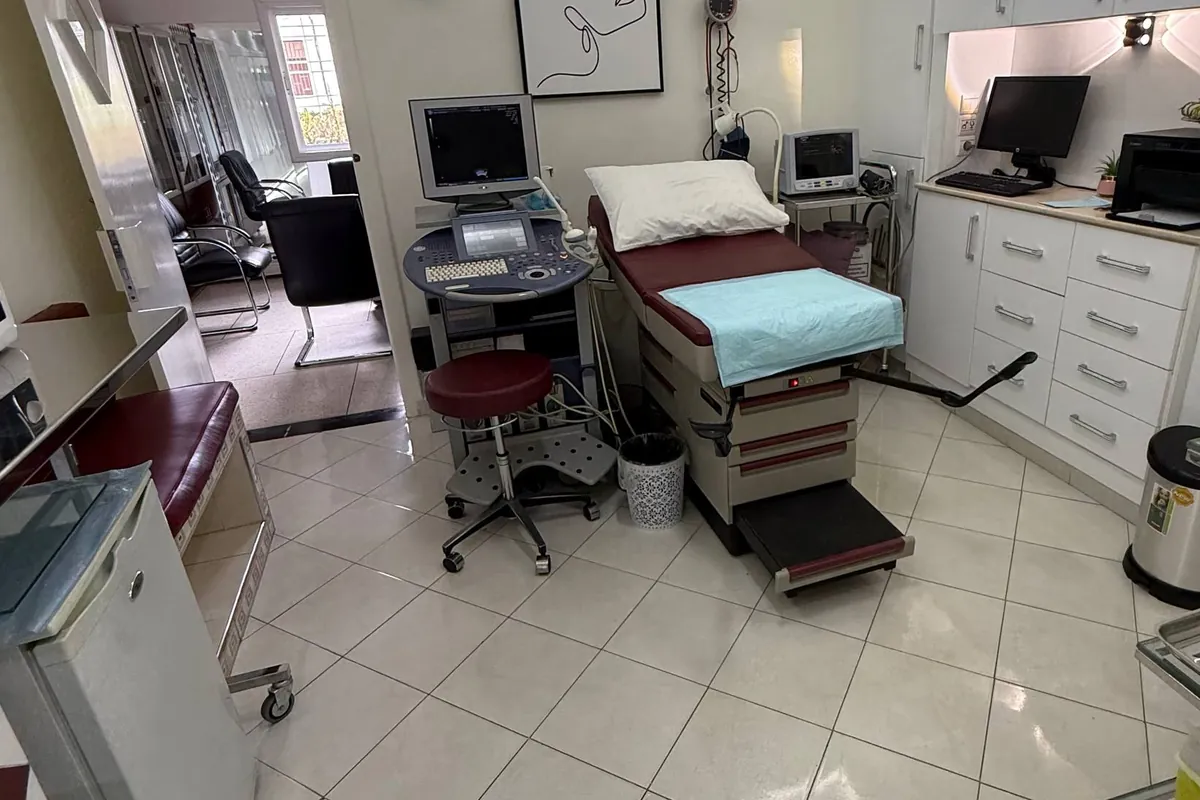
There is nothing shameful about discussing discharge: it is an everyday question in gynecology. At the Boudra Fertility Center, Dr Najib Boudra and his team see you in consultation to assess the situation, take a swab if needed and offer suitable treatment.
If you are wondering more generally when to see a specialist, read when to consult a gynecologist in Fes. For an appointment, call 05 35 93 08 18.
Book a gynecology consultation
A question, a first appointment? The Boudra Fertility Center team is here to help.
Boudra Fertility Center, 7 Rue Abdelkrim El Khattabi, 30000 Fes, Morocco
Frequently asked questions
Is it normal to have white discharge every day?
Yes. White or clear discharge with no strong smell and no itching is normal and varies with the time of the cycle.
Is white discharge a sign of pregnancy?
Discharge often increases in early pregnancy, but it is not a reliable sign. Only a pregnancy test can tell.
Should my partner be treated?
It depends on the infection. It is often the case for a sexually transmitted infection, but not for isolated vaginosis or thrush. The doctor will tell you.
Can I use an over-the-counter pessary?
For thrush you already know and that looks typical, it can help. If symptoms are different, persist or come back, see a doctor for a swab.
Sources
This article is for information only and does not replace a consultation. For any question about your situation, talk to your doctor.