
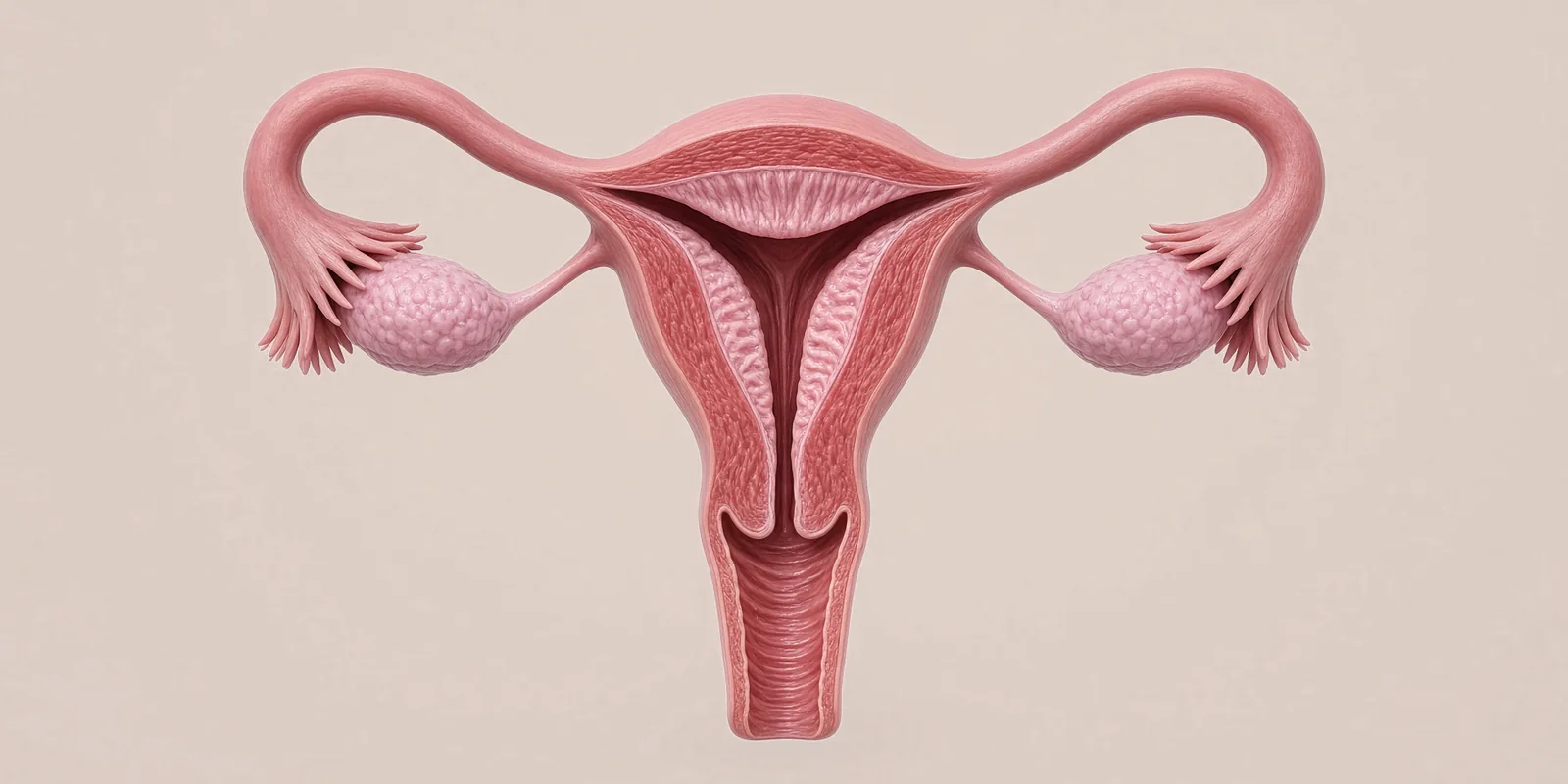
The word “tumour” is frightening. Yet a uterine fibroid is a benign, meaning non cancerous, growth, and it is very common in women of childbearing age. Many women have one without knowing it, because it often causes no symptoms.
In other cases, a fibroid causes heavy periods, pain or daily discomfort, or it can interfere with a pregnancy plan. This article explains what a fibroid is, how it is found, when it needs treatment and what options are available.
What is a fibroid?
A fibroid, also called a myoma, is a lump of muscle tissue that grows in the wall of the uterus. Its size ranges from a few millimetres to several centimetres, and there may be one or several.
Fibroids are classified by position:
- subserosal: on the outside of the uterus, they mainly cause trouble when large;
- intramural: within the muscle wall of the uterus;
- submucosal: under the lining, in contact with the cavity of the uterus. Even small ones can cause bleeding and affect pregnancy.
Fibroids depend on female hormones. They can grow during the reproductive years and tend to shrink after menopause. Their exact cause is not fully known, but they can run in families.
Possible symptoms
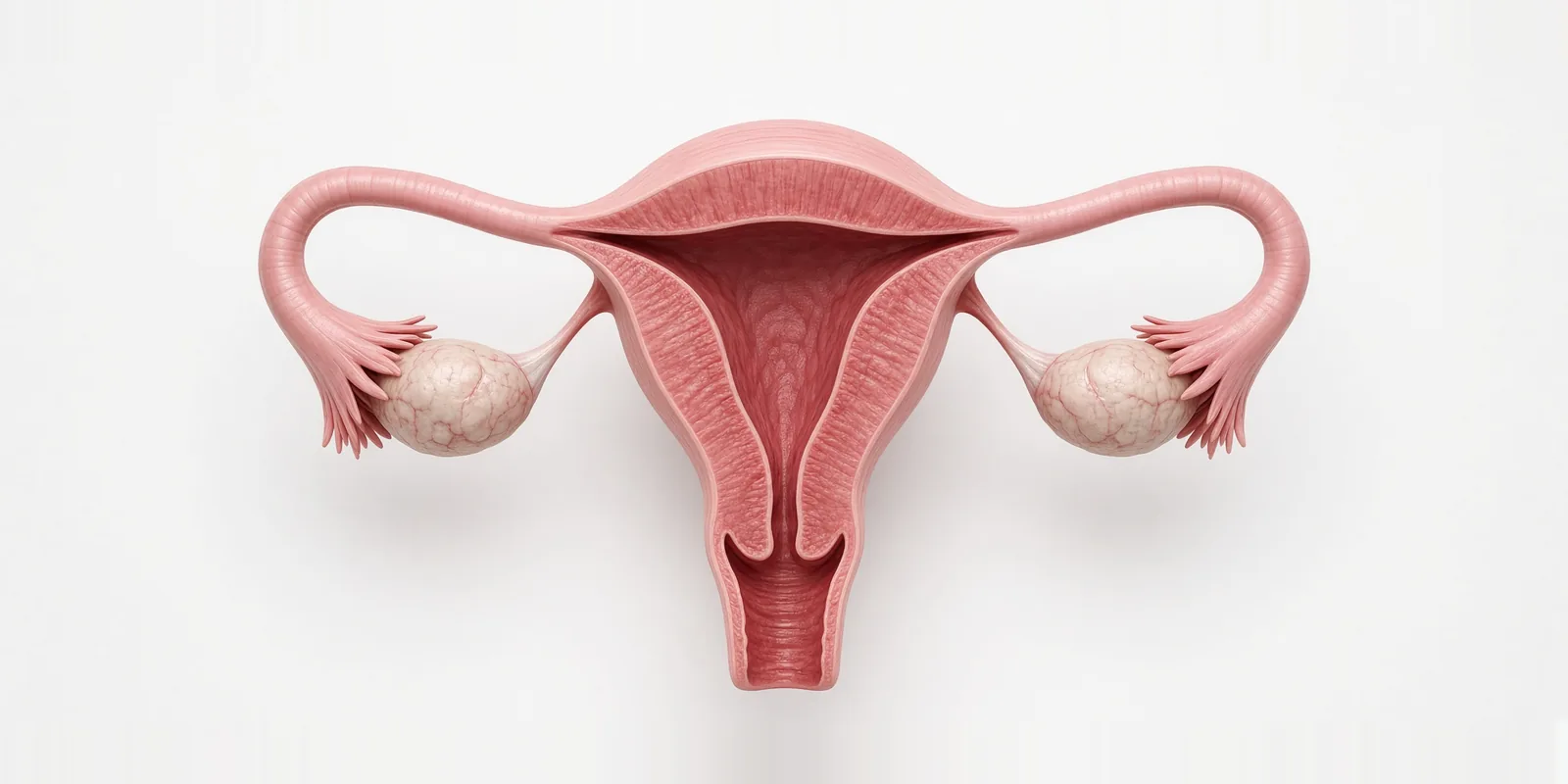
A fibroid often causes no signs and is found by chance during an ultrasound scan. When it does, symptoms depend on its size and position:
- heavy or prolonged periods, sometimes with clots;
- bleeding between periods;
- tiredness due to anaemia, meaning a lack of iron from blood loss;
- a feeling of pressure or a bloated abdomen;
- needing to pass urine often or constipation, when the fibroid presses on the bladder or bowel;
- pelvic pain or pain during intercourse;
- difficulty getting pregnant in some cases.
Periods that make you change protection very often, get up at night or leave you exhausted should not be ignored.
How the diagnosis is made
Clinical examination
Your doctor asks about your periods, pain and pregnancy plans. A gynecological examination may already give clues, especially if the uterus is enlarged.
Ultrasound
A pelvic ultrasound (page in French) is the key test. Done through the abdomen and transvaginally, it shows how many fibroids there are, how large they are and where they sit in relation to the uterine cavity.
Further tests
Depending on the case, your doctor may suggest a hysteroscopy, which uses a thin camera to look inside the uterus, or an MRI to map numerous or large fibroids precisely. A blood test can check for anaemia.
Does every fibroid need treatment?
No. A fibroid that causes no symptoms and does not affect a pregnancy plan can simply be monitored, with a follow-up ultrasound as advised by your doctor.
Treatment is considered when the fibroid causes heavy bleeding, pain or troublesome pressure, or when it may make it harder to get pregnant or affect the course of a pregnancy.
Treatment options
The choice depends on your symptoms, the size and position of the fibroids, your age and whether you want a pregnancy. It is always made together with you.
Medical treatment
Some medicines reduce heavy bleeding and pain. Hormonal treatments can reduce bleeding, and others, used for a limited period, can temporarily shrink a fibroid, for example before surgery. Iron corrects anaemia when present.
Uterus sparing surgery
A myomectomy removes the fibroid or fibroids while keeping the uterus. It is preferred when a woman wishes to become pregnant. Depending on the fibroid’s position, it can be done by hysteroscopy, with no scar on the abdomen, for submucosal fibroids, by laparoscopy or through open surgery. To learn more about this operation, read our page on myomectomy in Fès.
Other options
When a woman’s family is complete and symptoms are significant, other solutions can be discussed, including removal of the uterus in some situations. These decisions are made after full information.
Fibroids and pregnancy plans
The majority of fibroids do not prevent pregnancy. Those that distort the uterine cavity, however, can hinder embryo implantation. Before IVF, it is therefore common to assess fibroids and, if needed, treat those that cause a problem.

During pregnancy, a fibroid may grow and cause pain. Appropriate follow-up helps anticipate these situations calmly.
Seeing a specialist in Fes for fibroids
A fibroid found on ultrasound, periods that are too heavy or a pregnancy that is slow to come? A specialist consultation makes it possible to assess the situation and choose with you a solution that suits your life and your plans.
At Boudra Fertility Center, an IVF center in Fes, Dr Najib Boudra, a gynecologist with more than 30 years of experience, diagnoses and follows fibroids in a gynecology consultation, with particular attention to protecting fertility. Book an appointment on 05 35 93 08 18.
Book an appointment in Fes
A question, a first appointment? The Boudra Fertility Center team is here to help.
Boudra Fertility Center, 7 Rue Abdelkrim El Khattabi, 30000 Fes, Morocco
Frequently asked questions
Can a fibroid become cancerous?
A fibroid is a benign growth and malignant change is very rare. Rapid or unusual growth should nevertheless always be reported to your doctor.
Can you get pregnant with a fibroid?
Yes, in the majority of cases. Fibroids that distort the uterine cavity can however hinder implantation and may need treatment before pregnancy.
Does a fibroid go away on its own?
It does not disappear, but it tends to shrink after menopause when hormone levels fall.
Does surgery always mean removing the uterus?
No. A myomectomy removes only the fibroids and keeps the uterus, so a pregnancy remains possible afterwards.
This article is for information only and does not replace a consultation. For any question about your situation, talk to your doctor.