
For a long time, very painful periods were seen as normal, almost something to put up with. Yet pain that makes you miss school or work, that does not respond to usual painkillers or that comes back during intercourse should not be dismissed. It may be a sign of endometriosis.
This common gynecological condition is often diagnosed late. This article helps you recognise the warning signs, understand how the diagnosis is made and learn about the treatments available, both for pain and for a pregnancy plan.
What is endometriosis?
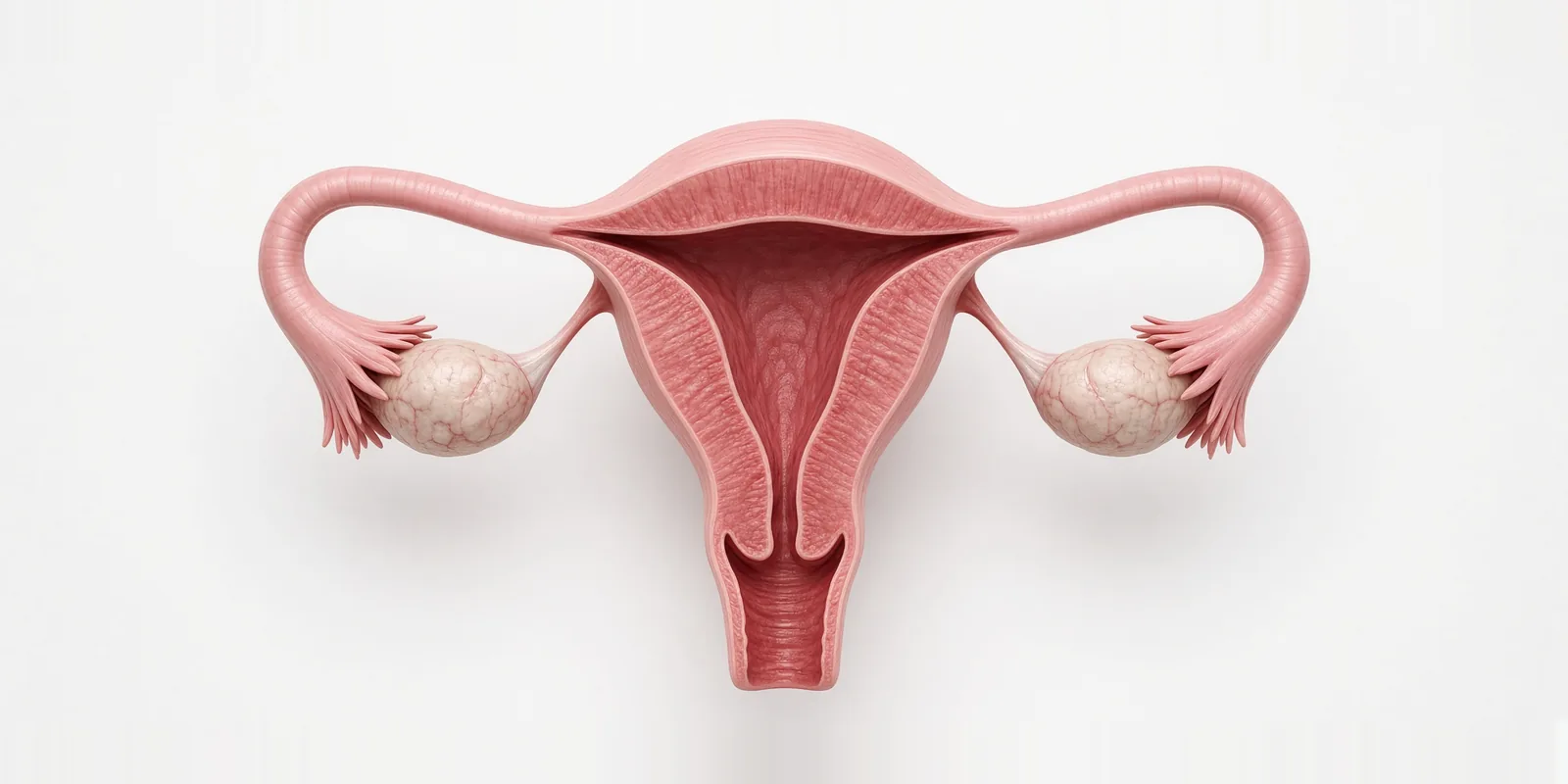
The endometrium is the lining inside the uterus. Each month it thickens under the effect of hormones, then sheds during your period if no pregnancy occurs.
In endometriosis, tissue similar to the endometrium grows outside the uterus: on the ovaries, the tubes, the ligaments that support the uterus, and sometimes on the bladder or bowel. This tissue also responds to the hormones of the cycle. It causes inflammation, pain and, over time, adhesions between organs. On the ovary it can form a particular cyst called an endometrioma.
Endometriosis is a chronic and benign condition, meaning it is not cancer. Its severity varies a lot: some women have extensive lesions with little pain, while others have strong pain with small lesions.
Symptoms that should raise concern
Symptoms depend on where the lesions are. The typical ones are:
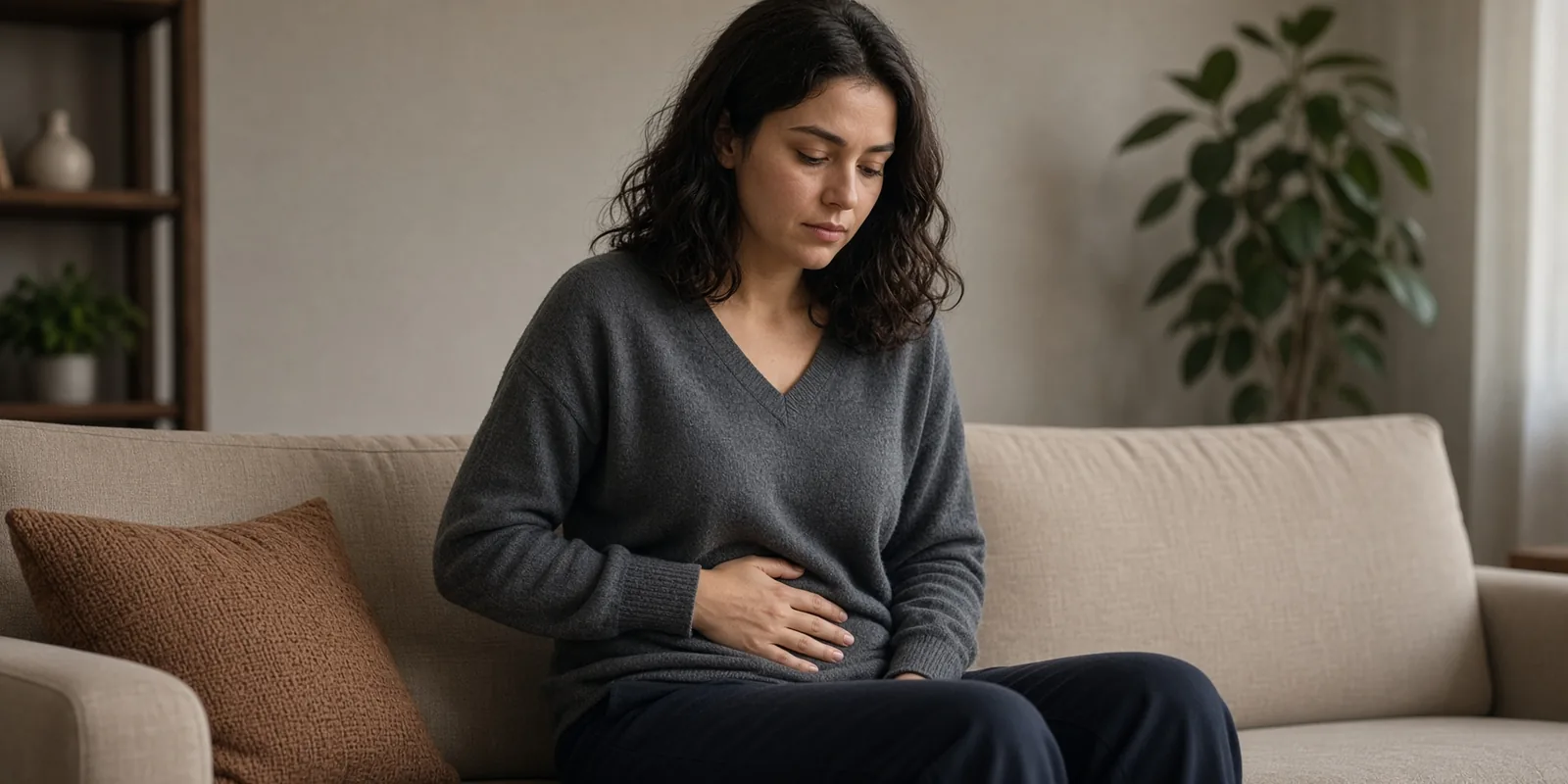
- very painful periods that get worse over the years or do not respond to usual painkillers;
- pain during intercourse, especially deep pain;
- lower abdominal pain outside your period;
- pain when opening the bowels or passing urine during your period;
- marked, sometimes constant tiredness;
- difficulty getting pregnant.
None of these signs alone confirms the diagnosis, but having several of them should lead you to see a doctor. It helps to note for a few cycles how strong the pain is, when it happens and what relieves it: this information is very useful for your doctor.
How the diagnosis is made
Medical history and examination
Everything starts with a careful consultation: your period history, the type and timing of pain, past medical history and pregnancy plans. A gynecological examination may find tender areas or nodules. If you are wondering when a visit becomes necessary, our article when to see a gynecologist gives some guidance.
Imaging
A pelvic ultrasound, preferably transvaginal, is the first test. It can detect endometriomas on the ovary in particular. A pelvic MRI may be requested to see the extent of lesions more clearly, especially before surgery.
Laparoscopy
Laparoscopy, a procedure under anaesthesia that allows the doctor to look inside the abdomen with a small camera, is no longer routine for diagnosis. It is mainly offered when surgical treatment is being considered.
Treatment options
There is no single treatment: care depends on your symptoms, the extent of the lesions, your age and your pregnancy plans. It is always discussed with you.
Relieving pain
Painkillers and anti-inflammatory medicines can ease period pain, on prescription and with the necessary precautions.
Hormonal treatments
They aim to calm endometriosis by reducing or stopping periods: some pills taken continuously, progestogens, a hormonal intrauterine device or, in some cases, stronger treatments for a limited time. They often relieve pain well, but they have a contraceptive effect and are therefore not suitable when you are trying to conceive.
Surgery
Laparoscopic surgery may be offered when pain continues despite treatment, for a large endometrioma or in some situations of infertility. It aims to remove lesions while preserving the organs as much as possible, especially the ovary.
Everyday measures
Regular physical activity, warmth on the abdomen during flare-ups, a balanced diet and managing fatigue can complement medical treatment. They do not replace follow-up, but they often improve quality of life.
Endometriosis and pregnancy plans
Endometriosis can make it harder to get pregnant, by affecting the tubes, the ovary or the environment around ovulation. But many women with endometriosis become mothers, naturally or with medical help.
When pregnancy is slow to come, a fertility assessment of the couple helps choose the right approach: surgery in some cases, stimulation, insemination or in vitro fertilisation depending on the situation. Assisted reproduction offers several options, decided case by case. If you have an endometrioma, also talk to your doctor about protecting your ovarian reserve before any surgery.
Getting care for endometriosis in Fes
If your periods hurt so much that they disrupt your life, do not stay alone with this pain. A timely diagnosis makes it possible to relieve symptoms better, protect fertility and plan ahead for a pregnancy.
At Boudra Fertility Center, an IVF center in Fes, Dr Najib Boudra, a gynecologist with more than 30 years of experience, cares for endometriosis in gynecology consultations and through treatment, and supports couples when pregnancy is slow to come. Book a consultation: we will take the time to listen to your story.
Book an appointment in Fes
A question, a first appointment? The Boudra Fertility Center team is here to help.
Boudra Fertility Center, 7 Rue Abdelkrim El Khattabi, 30000 Fes, Morocco
Frequently asked questions
Do painful periods always mean endometriosis?
No. Painful periods have several possible causes. But intense pain that gets worse or does not respond to usual painkillers should be checked by a doctor.
Can endometriosis be cured?
It is a chronic condition, but in many cases it can be well controlled with hormonal treatment, surgery if needed and regular follow-up.
Can you get pregnant with endometriosis?
Yes, many women with endometriosis have children, naturally or with medical help. A fertility assessment helps choose the right approach.
Does endometriosis go away after menopause?
Symptoms usually decrease after menopause, because endometriosis tissue depends on the hormones of the menstrual cycle.
This article is for information only and does not replace a consultation. For any question about your situation, talk to your doctor.