
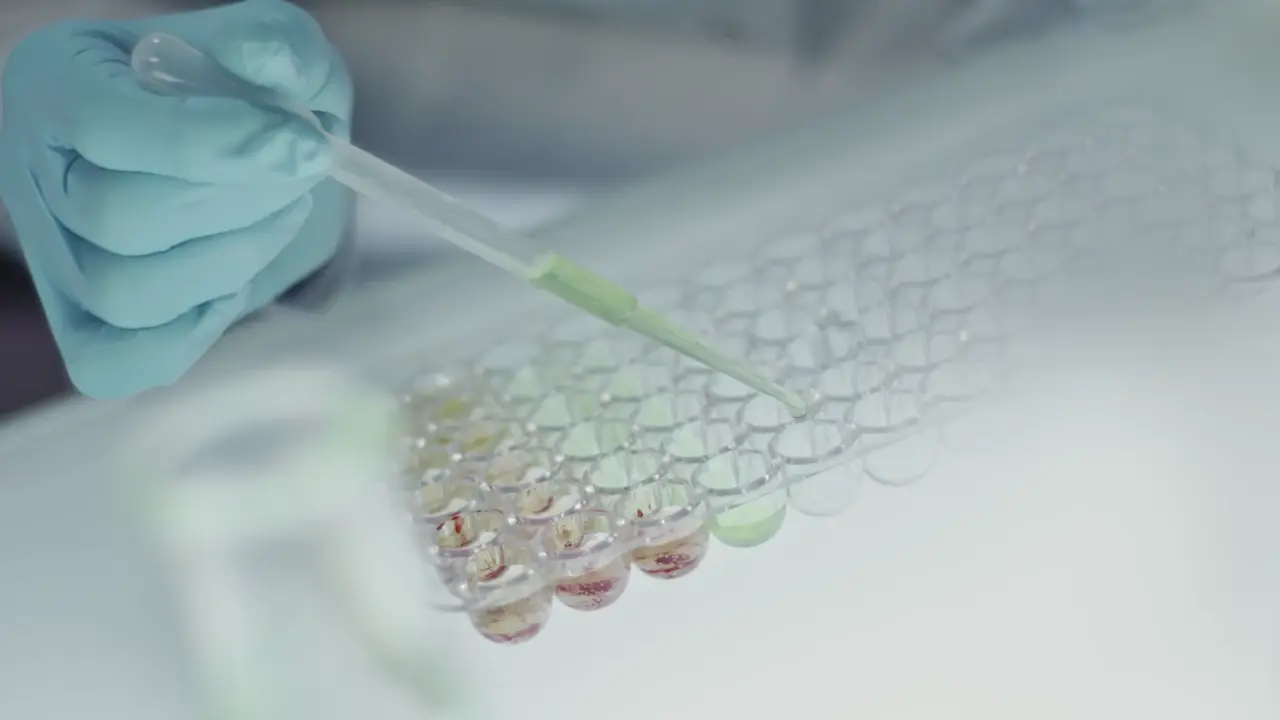
In vitro fertilisation (IVF) can seem complex at first. In fact, it follows a well-defined path, and each step has a clear purpose. Understanding this path helps you feel involved in your treatment and cope better with the waiting.
Here are the main steps of IVF in Fes, from the first appointment to embryo transfer, as they take place at Boudra Fertility Center, the first IVF center in Fes.
Step 1: the first appointment as a couple
Everything starts with a consultation together. The doctor goes over your history: how long you have been trying, medical and surgical history, any previous pregnancies and treatments already tried. They also review the results you already have.
This appointment confirms whether IVF is the right option. In some cases a simpler treatment, such as ovulation induction or insemination, may be offered first.
Step 2: tests for both partners
Before starting, both partners have tests:
- for the woman: hormone blood tests to assess ovarian reserve, a pelvic ultrasound and, depending on the case, an assessment of the uterine cavity and tubes;
- for the man: a semen analysis and, if needed, further tests;
- for both: infection screening and a general check-up.
These results help tailor the protocol and choose between conventional IVF and ICSI.
Step 3: ovarian stimulation
The aim is for several follicles to develop; these small sacs in the ovary each contain an egg. To achieve this, the patient gives herself hormone injections under the skin for several days, usually at home, after a detailed explanation from the team.
The protocol (choice of medicines and doses) is personalised according to age, ovarian reserve and any previous treatment.
Step 4: monitoring
During stimulation, ultrasounds and sometimes blood tests track the growth of the follicles. Doses can be adjusted according to the response. This monitoring also helps limit the risk of ovarian hyperstimulation.
When the follicles reach the right size, the doctor schedules the ovulation trigger, an injection given at a precise time.
Step 5: egg retrieval
Egg retrieval takes place shortly after the trigger. Under anaesthesia, the doctor collects the eggs with a fine needle guided by ultrasound, through the vagina. The procedure is short and the patient goes home the same day, after a period of observation.
On the same day, the husband provides a semen sample at the center, which is prepared in the laboratory.
Step 6: fertilisation in the laboratory
In the laboratory, the eggs are placed with the husband’s sperm. In conventional IVF, fertilisation happens naturally in a culture dish. In ICSI, one sperm cell is injected directly into each mature egg.
The embryos are then cultured for a few days in incubators, watched by the embryologists, who assess their development. Depending on the case, transfer is done at an early stage or at the blastocyst stage, around day five.
Step 7: embryo transfer
The transfer is a simple procedure, usually painless, with no anaesthesia. Using a fine catheter, the doctor places the embryo in the uterine cavity, often under ultrasound guidance. The number of embryos transferred is discussed with the couple, with safety as the priority.
Good-quality embryos that are not transferred can, in some cases, be frozen by vitrification for a later transfer.
Step 8: the wait and the pregnancy test
Hormonal support is usually prescribed after the transfer. A blood test (hCG level) is done about two weeks later to see whether a pregnancy has started. This wait is often the hardest part: the team remains available to answer your questions.
To learn more about our approach, see our page on IVF in Fes, or meet Dr Najib Boudra, who has supported couples for more than 30 years.
Living with treatment day to day
IVF requires time and organisation: monitoring appointments, injections at set times, the day of egg retrieval. It helps to plan your schedule in advance and, if needed, to talk to your employer.
The journey is also emotional. Hope and doubt alternate, for both partners. Supporting each other, surrounding yourselves with caring people and asking the team all your questions help you go through each step more calmly.
Book an appointment in Fes
A question, a first appointment? The Boudra Fertility Center team is here to help.
Boudra Fertility Center, 7 Rue Abdelkrim El Khattabi, 30000 Fes, Morocco
Frequently asked questions
How long does an IVF cycle take?
The timing depends on your tests and the chosen protocol. Stimulation, egg retrieval and transfer take place over a few weeks; the doctor gives you a personal schedule.
Is egg retrieval painful?
It is done under anaesthesia, which makes it comfortable. Mild lower abdominal discomfort may last a few hours; it is usually relieved by a simple painkiller.
Can I work during IVF?
Yes, most patients carry on with their activities. You simply need to be available for monitoring scans and to rest on the day of egg retrieval.
Do I need to stay lying down after the transfer?
No. Bed rest is not needed after the transfer; a normal, calm daily life is recommended.
This article is for information only and does not replace a consultation. For any question about your situation, talk to your doctor.